
A JCB spare part turns up, the fitter opens the box, and the holes are 10mm out. That’s the problem in one sentence. The part number was real. It just wasn’t for this machine.
Happens more than anyone admits. The fix is boring: get the number right, get the machine right, look at both in a catalogue, then look at the part in your hand. Four things. Most people do two and hope.
If you only take one section away from this, take the third one. That’s where the money goes.
Read the part number, then read it again
Nine times out of ten it’s stamped into the casting or printed on a tag. Bench, torch, and write it down digit by digit. Every letter, every dash. Drop a zero and the number goes dead, and you’ll burn an afternoon on a search that cannot work.
Don’t trust the old quotation. Those numbers were typed from memory by somebody in a hurry, then reused for four years because nobody wanted to be the one who admitted they weren’t sure.
No number at all? Then you’re going backwards through the diagram. Slower. Still doable.
Where people get it wrong is treating a matched number as a green light. It’s a good sign, that’s all. You still have to confirm the part fits the machine standing in front of you.
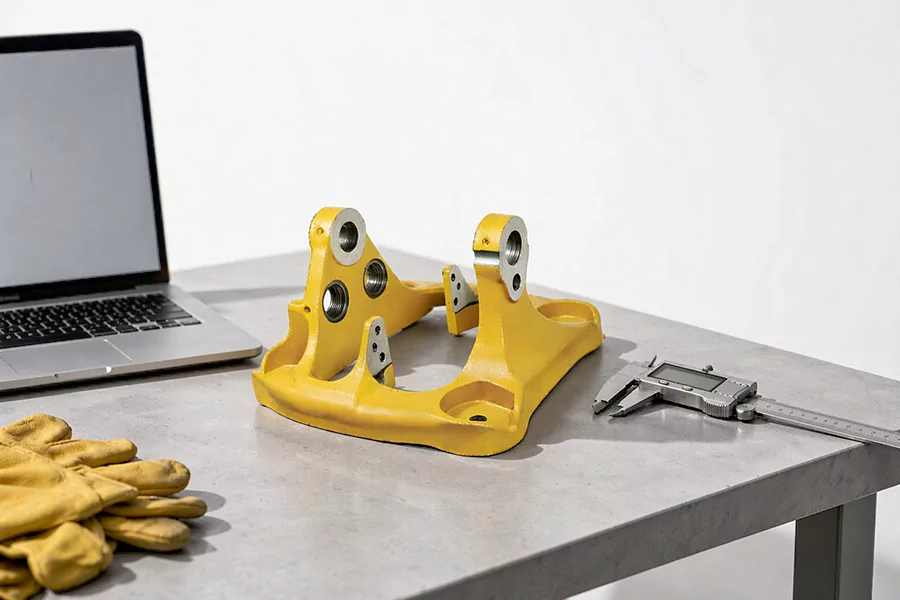
Which machine is it? The PIN answers that
A badge is not a specification. 3CX covers a lot of machines built over a lot of years, and JCB changed plenty under that badge without changing the badge. Same name on the side, different parts inside.
So you need the PIN. The serial number, if that’s the word your paperwork uses. That’s the field the catalogue splits on.
Four things worth writing down before you go looking:
- model and build, copied off the plate rather than remembered
- the full PIN
- year, if it’s still legible
- the tag on the engine, transmission or axle, if somebody’s had those out before
Plate location varies by machine. It’s a page in the handbook, and hunting for it costs an hour you don’t get back.
JCB builds the diagrams around the serial for a fairly obvious reason. A 2015 3CX and a 2019 3CX share a badge and not a great deal else. Once an engine’s been replaced, the tag on that engine tells you more than the build sheet ever will.
Check it in a JCB parts catalogue
Run the number through the catalogue. Clean hit: read what it’s called, how many the machine takes, which serial range it applies to. No hit: back to the PIN, pick the build, walk the assembly until you find it.
Two things to watch.
First, descriptions lie. Bush. Seal. Pin. Those words appear all over a single backhoe and they don’t distinguish much. The description gives you the family. You still have to find the item.
Second, numbers get superseded. You quote one, the reply comes back with another. Sometimes that’s a straight replacement. Sometimes it’s a listing for a build that isn’t yours, and from the outside those two look identical. Ask. Ask specifically whether the new number replaces the old one and whether it covers your serial range.
That’s where the PIN earns its keep, incidentally. Supersession is exactly the sort of thing catalogues split by production range, and a supplier with your serial in front of them can check it in a minute instead of guessing.
If it still won’t resolve, phone the dealer or a supplier who works this range daily. Ten minutes of somebody else’s experience against two weeks of freight going back and forth. Not a hard call.
Match the diagram against the part in your hand
Diagrams tell you position. They don’t tell you what’s in the box.
So before anything ships: hole centres, mounting faces, the thread and angle of any port, plug shape, pin count. Casting numbers, if there are any, and whether they agree with what you’ve been quoted.
Photographs are worth sending when a number’s been worn smooth. They’re not proof of anything. We’ve had two hoses that looked identical on a phone screen and turned up with completely different end fittings.
All of it is a five-minute job at the bench. After the pallet lands it’s a different conversation.
What to put in the enquiry
What gets a fast quote, roughly in order of how much it helps:
- the number, complete
- model, PIN, year
- what it is, plus roughly where it sits on the machine
- quantity, as a number rather than “a set”
- photographs: old part, markings, ports and plugs
Twenty items to source? One line each, single message. Twenty messages gets twenty partial answers and nobody ends up happy.
Where something is missing, name what’s missing. “Number’s worn off, it’s the pump on a 2016 3CX” gives a supplier something to work with. Inventing a number so the email looks finished is how parts end up on a shelf that nobody will take back.
Sourcing JCB replacement parts from BAIQUAN
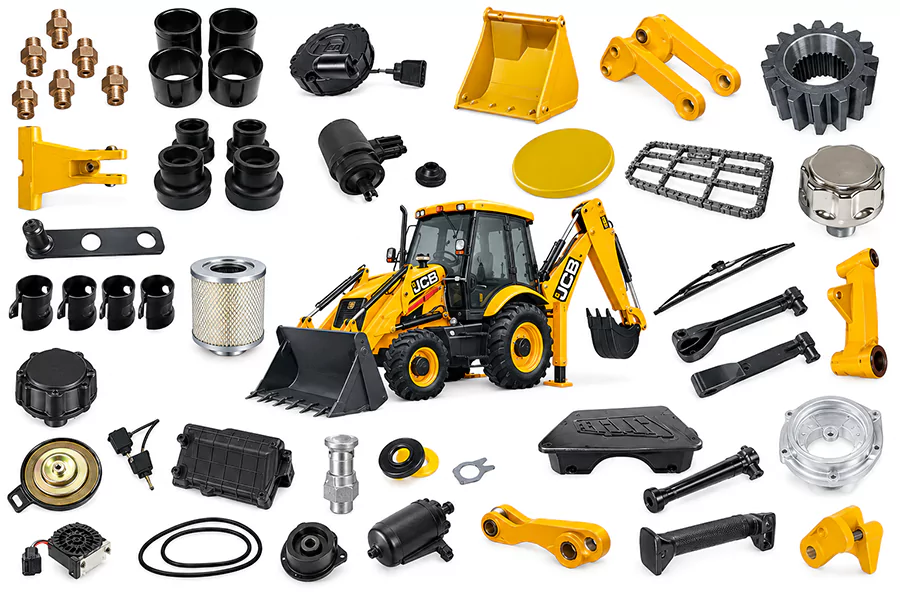
BAIQUAN supplies standard JCB replacement parts to the trade. Maintenance shops, repair outfits, distributors. Axles and transmissions, drivetrain, engine, electrical, hydraulics, pins and bushes, seals, service and wear parts.
Send the number with the model and PIN where you have them, and photographs where you haven’t. We’d rather come back with two questions than put the wrong box on a truck.
JCB spare parts for a maintenance job or a stock order: bq-parts.com.
Get those four checks done and the order stops being interesting. Part arrives, it fits, machine goes back out. Nothing to talk about afterwards, which is the point.